


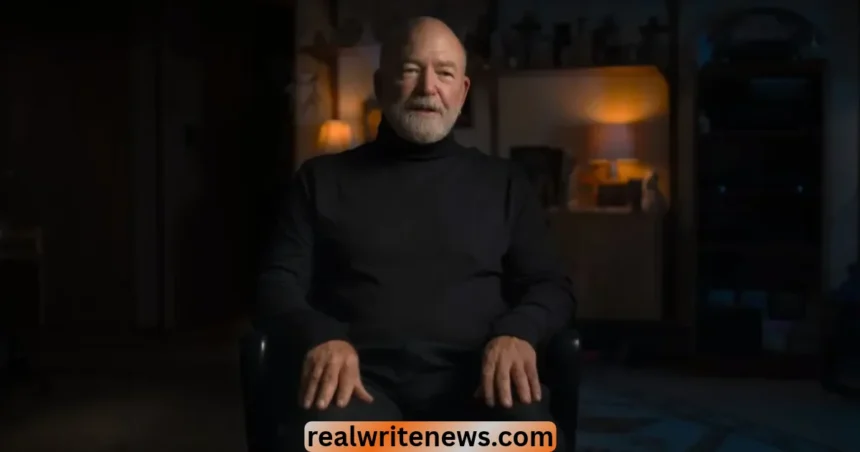
Arne Cheyenne Johnson became one of the most controversial names in American true-crime history after the 1981 killing of his landlord, Alan Bono, in Brookfield, Connecticut. The case gained worldwide attention because Johnson’s defense attorney attempted to argue that demonic possession had caused the killing. The unusual claim made the case famous as the “Devil Made Me Do It” trial. However, the court did not allow demonic possession as a legal defense, and Johnson was ultimately convicted of first-degree manslaughter. He received a 10-to-20-year prison sentence but served about five years before his release for good behavior.
Who Was Arne Cheyenne Johnson?
Arne Cheyenne Johnson was a 19-year-old Connecticut resident when his name first appeared in national headlines in 1981. Before the killing, he had no known criminal record and was described in contemporary reporting as a young, physically active man who worked as a tree worker and handyman. UPI described him as an “unassuming” young man and noted that his attorney characterized him as someone who had never previously been in trouble. His ordinary background made the later accusations even more startling. Instead of becoming known for a conventional criminal history, Arne Cheyenne Johnson became famous because his lawyer connected the homicide to an extraordinary claim involving supernatural possession.
Arne Cheyenne Johnson’s Early Life
Detailed public records about Arne Cheyenne Johnson’s childhood and early family life remain limited. Contemporary accounts indicate that he grew up in Connecticut and participated in ordinary community activities. Later reporting described him as someone who had played Little League baseball, sung in a church choir, and worked as a newspaper carrier. These details are important because they provide a contrast with the sensational image created by the later trial. There is little reliable evidence suggesting that Johnson had a long history of violent or criminal behavior before 1981. For that reason, responsible accounts should distinguish between documented biographical facts and later supernatural stories that became attached to his name.
Relationship With Debbie Glatzel
A major part of the Arne Cheyenne Johnson story involves his relationship with Debbie Glatzel. Debbie was Johnson’s girlfriend and worked at a kennel owned or operated by Alan Bono, who eventually became Johnson’s landlord. Johnson lived with Debbie, and this relationship placed him close to the Glatzel family during the strange events that allegedly began in 1980. Debbie’s younger brother, David Glatzel, later became central to the story. Family members said David experienced disturbing behavior that they interpreted as evidence of possession. The family eventually sought assistance from Catholic clergy and paranormal investigators Ed and Lorraine Warren, bringing Johnson into a story that would eventually become part of American supernatural folklore.
The David Glatzel Possession Claims
The story surrounding Arne Cheyenne Johnson did not begin with the murder. It began with claims involving David Glatzel, who was about 11 years old in 1980. According to accounts from family members, David experienced frightening episodes and allegedly described encounters with a supernatural entity. The family became increasingly concerned and sought outside help. The 2023 Netflix documentary The Devil on Trial revisited these events through interviews with people connected to the case, including Johnson and members of the Glatzel family. These claims remain matters of belief and personal testimony rather than scientifically established facts. That distinction matters when discussing Arne Cheyenne Johnson, because the supernatural explanation was never accepted as a factual finding by the court.
The Involvement of Ed and Lorraine Warren
Ed and Lorraine Warren, well-known paranormal investigators, became involved after the Glatzel family sought help. According to the family’s account, the Warrens believed David was experiencing demonic activity and became involved in efforts to address the situation. The Warrens later connected the alleged events to Johnson, claiming that the supernatural entity had somehow transferred to him. The University of Virginia’s archival account notes that the family worked with the Warrens and that several religious rites were performed during the period of alleged possession. The Warrens’ involvement later helped transform the Arne Cheyenne Johnson case from a local homicide into an internationally discussed story about religion, paranormal beliefs, and criminal responsibility.
The Alleged Possession of Arne Johnson
According to the accounts that later became associated with the case, Arne Cheyenne Johnson allegedly challenged the entity troubling David to enter him instead. Supporters of the possession theory claimed that Johnson subsequently displayed unusual behavior, including episodes that resembled those attributed to David. However, these accounts were never established as scientific facts. Johnson himself later said that he had experienced a blackout and did not remember the killing. His attorney, Martin Minnella, emphasized that Johnson did not simply walk into court and personally declare that the devil had controlled him. Minnella later explained that the supernatural explanation came largely from priests and the Warrens, while Johnson maintained that he did not remember what happened.
The Killing of Alan Bono
The turning point in Arne Cheyenne Johnson’s life came on February 16, 1981, when he fatally stabbed Alan Bono, a 40-year-old kennel manager and Johnson’s landlord. According to contemporary reporting, Johnson and Bono had been drinking before an argument developed. Bono became involved in a confrontation involving Johnson’s girlfriend and her family members. Johnson intervened, and the disagreement escalated into violence. Johnson used a five-inch pocketknife and repeatedly stabbed Bono. Bono later died from his injuries. UPI reported that police and witnesses treated the incident as a homicide arising from an argument, while Johnson’s defense team later sought to place the killing within the extraordinary possession narrative.
What Happened During the Confrontation?
The precise details of the confrontation became an important part of the later trial. Contemporary accounts said Bono had been drinking heavily and became aggressive during the gathering. Johnson reportedly attempted to intervene after Bono grabbed a young member of the group. A physical struggle followed, and Johnson stabbed Bono several times. Witness testimony became important because the defense later relied on a self-defense theory after the judge rejected the possession argument. UPI reported that witnesses described heavy drinking before the killing and that an emergency medical technician encountered Johnson’s girlfriend in a highly emotional state after Bono had been injured. These documented circumstances are important because they differ considerably from the supernatural dramatizations later seen in popular entertainment.
Arrest and Murder Charge
After the stabbing, police located Arne Cheyenne Johnson and took him into custody. He was initially charged with first-degree murder. Reports from the time indicate that Johnson told police he did not intend to hurt anyone and claimed that he could not remember what had happened. The prosecution treated the incident as a conventional homicide rather than a supernatural event. Johnson’s attorney, however, began developing an unprecedented strategy. The idea was to argue that Johnson had not been responsible for his actions because a demon had controlled him. This proposed defense attracted enormous media interest even before the trial began, turning a Connecticut homicide into an international story.
Why Was the Case Called “The Devil Made Me Do It”?
The phrase “The Devil Made Me Do It” became the popular label for the case because Johnson’s lawyer planned to argue that demonic possession explained the killing. The strategy was extraordinary because American courts normally evaluate criminal responsibility through recognized legal and medical concepts rather than supernatural explanations. UPI reported in March 1981 that attorney Martin Minnella intended to argue that “the devil made him do it” and described the proposed defense as unprecedented in American jurisprudence. The phrase eventually became permanently associated with Arne Cheyenne Johnson, even though the actual trial did not allow the jury to consider demonic possession as a valid defense.
The Court Rejects the Demonic Possession Defense
The most important legal development came when Judge Robert J. Callahan rejected the proposed demonic possession defense. The judge determined that such a claim could not be objectively or scientifically established in a courtroom. As a result, the jury could not decide whether Johnson was possessed by a demon when Bono died. This decision fundamentally changed the direction of the case. Rather than presenting a courtroom battle over whether demons existed, Johnson’s defense had to focus on legally recognizable arguments. The defense ultimately emphasized self-defense, while the prosecution presented the killing as a criminal act committed during a confrontation.
The 1981 Trial of Arne Cheyenne Johnson
The trial of Arne Cheyenne Johnson began in October 1981 at Connecticut Superior Court in Danbury. Media attention was intense because journalists around the country followed the unusual defense strategy. The prosecution argued that the case concerned a straightforward homicide, while the defense sought to explain Johnson’s behavior through the circumstances surrounding the confrontation. Evidence included testimony from people present around the time of the killing. A forensic expert, Dr. Henry Lee, also testified about blood and hair found on Johnson’s folding knife, according to UPI reporting from November 1981. Although the possession claim generated headlines, the jury ultimately had to decide the case under ordinary criminal law.
Verdict and Prison Sentence
On November 24, 1981, the jury found Arne Cheyenne Johnson guilty of first-degree manslaughter, rather than murder. The verdict followed several days of deliberation. The court later sentenced him to 10 to 20 years in prison. The outcome became one of the most unusual aspects of the case. Johnson had originally faced a murder charge, but the final conviction was for manslaughter. The demonic possession argument did not succeed because the judge had already excluded it from consideration. In legal terms, therefore, the famous “devil” defense did not acquit Johnson and did not establish supernatural possession as a recognized criminal defense.
How Long Did Arne Cheyenne Johnson Stay in Prison?
Arne Cheyenne Johnson served about five years of his sentence and was released in 1986, receiving credit for good behavior. Sources also report that he pursued education while incarcerated, including completing his high-school education and taking college courses. His relatively short time in prison became another frequently discussed part of the case. The sentence itself had been 10 to 20 years, but he did not serve the full term. His release effectively marked the beginning of a much quieter period of his life, although the story continued to attract attention through books, television programs, documentaries, and eventually major Hollywood productions.
Arne Johnson and Debbie Glatzel’s Marriage
While serving his sentence, Arne Cheyenne Johnson married Debbie Glatzel, the woman who had been his girlfriend at the time of the killing. Reports place their prison wedding in the mid-1980s. After Johnson’s release, the couple attempted to build a private family life away from the intense publicity surrounding the case. Later accounts say that they had two children and remained together for decades. Debbie died in 2021. Their long relationship adds another personal dimension to the story. Despite the extraordinary circumstances surrounding Johnson’s conviction, the couple maintained a family life after his release and largely avoided the public spotlight.
What Happened to Arne Cheyenne Johnson After Prison?
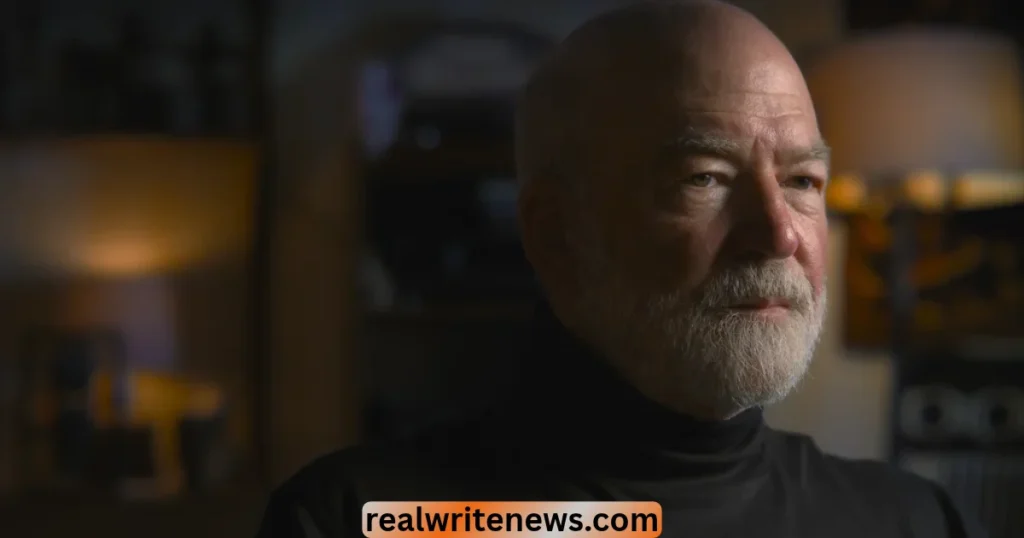
After his release, Arne Cheyenne Johnson largely disappeared from mainstream public attention. Reports from the period suggested that he intended to work in landscaping and live with his family. Unlike many notorious criminal cases, Johnson did not build a highly visible public career after prison. His name occasionally returned to the news when books, films, or documentaries revisited the 1981 case. His reappearance in the 2023 Netflix documentary The Devil on Trial provided one of the clearest modern opportunities for him to discuss his experience directly. The documentary helped introduce the case to a new generation while also presenting conflicting interpretations of what happened.
The Devil on Trial and Arne Johnson
In 2023, Netflix released The Devil on Trial, a documentary examining the events surrounding Arne Cheyenne Johnson, David Glatzel, and the 1981 homicide. The documentary includes firsthand accounts and explores the competing explanations for the events. Johnson participated in the documentary and continued to describe his experience from his own perspective. The film also gives attention to skepticism within the Glatzel family, particularly conflicting memories about the alleged possession. This is significant because it demonstrates that the case does not have one universally accepted interpretation. Some people involved continue to believe the supernatural explanation, while others have challenged the story and questioned how it was presented over the years.
The Conjuring Connection
The story of Arne Cheyenne Johnson later became the basis for the 2021 film The Conjuring: The Devil Made Me Do It. The movie dramatized the case and incorporated the paranormal investigators Ed and Lorraine Warren as major characters. However, viewers should remember that a Hollywood film is not a courtroom transcript or historical record. The movie changes, compresses, and dramatizes events for entertainment. The actual case centered on a homicide, a rejected possession defense, and a manslaughter conviction. Popular culture added supernatural imagery and additional story elements that were not part of the legal proceedings. Understanding this distinction helps readers separate the documented Arne Cheyenne Johnson case from its fictionalized cinematic version.
Controversies and Conflicting Accounts
The history of Arne Cheyenne Johnson contains major disagreements about what actually happened. Supporters of the possession explanation have argued that unusual behavior surrounding David Glatzel and Johnson could not be explained normally. Others have rejected the supernatural interpretation and questioned the reliability of the stories promoted by the Warrens and later publications. The 2023 documentary presents some of these competing perspectives, including skepticism from members of the Glatzel family. Because these disagreements remain unresolved, responsible biographies should describe supernatural claims as allegations or beliefs, rather than established facts. The court itself never accepted demonic possession as an explanation for Bono’s death.
Legacy of the “Devil Made Me Do It” Case
The legal legacy of Arne Cheyenne Johnson rests mainly on the extraordinary nature of the defense rather than a precedent recognizing demonic possession. The case became famous because an attorney attempted to argue that supernatural forces had removed his client’s control over his actions. The judge rejected that argument, and the jury convicted Johnson of manslaughter. Decades later, the story continues to attract interest because it sits at the intersection of true crime, religion, paranormal beliefs, and criminal law. Books, documentaries, television programs, and films have repeatedly revisited the case, ensuring that Johnson’s name remains associated with one of the strangest criminal trials in American history.
Arne Cheyenne Johnson Today
Public information about Arne Cheyenne Johnson’s current private life is limited. After his release from prison, he largely avoided publicity, and reliable sources provide relatively few details about his day-to-day circumstances. He did, however, participate in The Devil on Trial, allowing audiences to hear his perspective decades after the original case. Recent reporting describes him as living a private life after his release and notes that his wife, Debbie Glatzel, died in 2021. Because information about his present circumstances remains limited, claims about his exact location, employment, or personal activities should be treated cautiously unless supported by reliable sources.
Why Arne Cheyenne Johnson’s Story Still Matters
The story of Arne Cheyenne Johnson remains relevant because it raises difficult questions about criminal responsibility and belief. The case asks where courts should draw the line between religious or supernatural explanations and evidence that can be tested through legal procedures. Johnson’s trial never established that a demon controlled him. Instead, it established that a defendant could not use an unprovable supernatural explanation as a substitute for a recognized legal defense. At the same time, the case shows how powerful storytelling can become. More than four decades later, the combination of murder, alleged possession, the Warrens, and courtroom drama continues to attract readers and viewers around the world.
Conclusion
Arne Cheyenne Johnson remains one of the most recognizable figures in American true-crime history because his 1981 manslaughter trial combined an ordinary criminal investigation with an extraordinary supernatural claim. Johnson killed Alan Bono during a confrontation in Brookfield, Connecticut, and his attorney attempted to argue that demonic possession explained his actions. The judge rejected that defense, and Johnson was convicted of first-degree manslaughter and sentenced to 10–20 years, serving about five years. Later books, documentaries, and The Conjuring films transformed the case into popular culture. Yet the documented legal record remains clear: the court never recognized demonic possession as the cause of the killing.
FAQs About Arne Cheyenne Johnson
1. Who is Arne Cheyenne Johnson?
Arne Cheyenne Johnson is the Connecticut man convicted of first-degree manslaughter for the 1981 killing of his landlord, Alan Bono. His case became famous because his attorney attempted to use alleged demonic possession as part of the defense. The judge rejected that argument, and Johnson was ultimately convicted and sentenced to 10–20 years.
2. Did Arne Cheyenne Johnson really say the devil made him do it?
The popular phrase does not accurately describe a simple statement made by Johnson himself. His attorney promoted the possession theory, while Johnson later described experiencing a blackout and not remembering the killing. His lawyer Martin Minnella later clarified that Johnson did not personally make the famous courtroom-style declaration often associated with the case.
3. Who did Arne Johnson kill?
Arne Cheyenne Johnson killed Alan Bono, a 40-year-old kennel manager and landlord, on February 16, 1981, in Brookfield, Connecticut. Johnson stabbed Bono repeatedly with a pocketknife following a confrontation.
4. Was Arne Johnson convicted of murder?
No. Johnson was originally charged with first-degree murder, but the jury ultimately convicted him of first-degree manslaughter on November 24, 1981. He received a sentence of 10–20 years in prison.
5. How long did Arne Cheyenne Johnson serve in prison?
Johnson served about five years before his release in 1986, with good behavior contributing to the shortened incarceration. Sources also report that he completed educational programs while imprisoned.
6. Is Arne Cheyenne Johnson featured in The Devil on Trial?
Yes. Arne Johnson appears in Netflix’s 2023 documentary The Devil on Trial, which revisits the 1981 killing and the alleged possession claims surrounding the case. The documentary includes firsthand accounts and competing interpretations of the events.
7. Is The Conjuring: The Devil Made Me Do It completely accurate?
No. The 2021 film is based on the real case but dramatizes events for entertainment. The actual legal case centered on Bono’s killing, the rejected demonic-possession defense, and Johnson’s manslaughter conviction. Some supernatural and dramatic elements shown in the film go beyond what was established in court.